
heavy duty manual tire changer
Heavy duty manual tire changers are essential equipment for safely mounting and demounting large commercial vehicle tires, offering robust solutions for workshops and fleets.
What is a Heavy Duty Manual Tire Changer?
A heavy duty manual tire changer is a specialized tool designed for the efficient and safe handling of large tires found on trucks, buses, and agricultural equipment. Unlike passenger vehicle changers, these machines boast increased strength and capacity, typically handling rims from 14-26 inches and tires up to 63 inches in diameter.
Importance in Commercial Vehicle Maintenance
Heavy duty manual tire changers are critical for maintaining commercial vehicle fleets, ensuring quick tire service for trucks and buses. Efficient tire changes minimize downtime, reducing operational costs and improving safety. Regular maintenance, facilitated by these tools, extends tire life and prevents costly roadside failures.
Key Components of a Manual Tire Changer
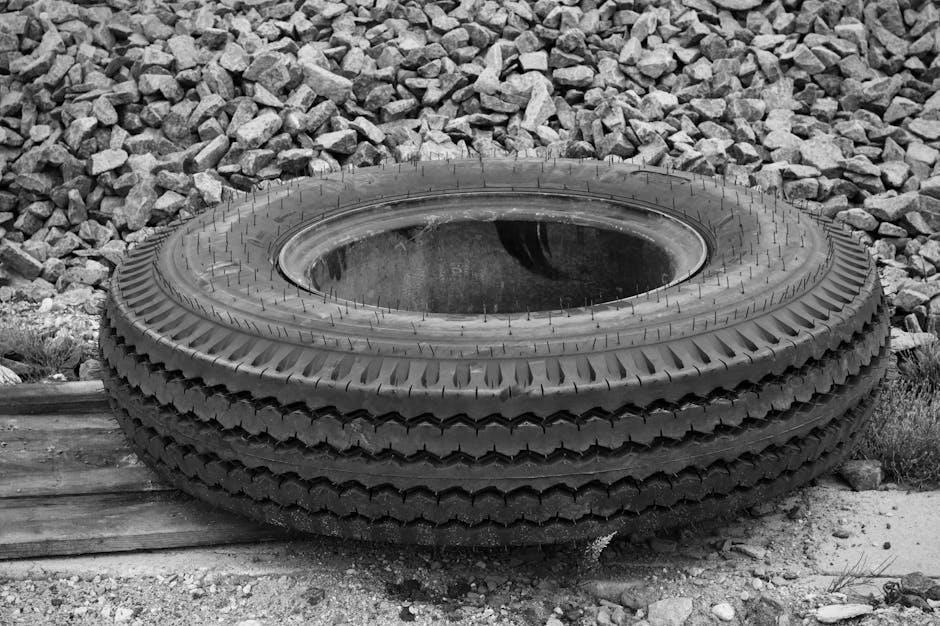
Manual tire changers feature a clamping system, bead breaking mechanism, and mounting head – all working together to efficiently handle large, heavy-duty tires.
Clamping System and Chuck
The clamping system securely holds the wheel during the tire changing process, preventing movement and ensuring operator safety; Robust chucks grip the tire firmly, facilitating bead breaking and mounting/demounting. These components must withstand significant force, given the weight and size of heavy-duty tires. Proper clamping is crucial for efficient and safe operation, minimizing the risk of damage to the wheel or tire.
Bead Breaking Mechanism
The bead breaking mechanism is a critical component, applying focused force to separate the tire bead from the wheel flange. Manual tire changers utilize levers or rollers for this task, requiring significant operator effort. Effective bead breaking is essential for subsequent tire removal, preventing damage to both tire and wheel. Consistent, controlled force is key for successful operation.
Mounting/Demounting Head
The mounting/demounting head is the central working component, utilizing levers and chucks to manipulate the tire over the wheel. Robust construction is vital for handling heavy-duty tires. Operators leverage this head to lift, position, and ultimately mount or demount tires, demanding precision and physical strength for efficient operation.

Manual Tire Changing Process – Step-by-Step
The manual process involves bead breaking, demounting, mounting, and seating—requiring skilled technicians and specialized tools for safe and effective tire service;
Preparation and Safety Precautions
Prior to operation, ensure the vehicle is secured with parking brakes engaged and wheel chocks in place. Technicians must receive proper training and wear appropriate personal protective equipment (PPE), including safety glasses and gloves. Inspect the tire changer for damage and verify all components are functioning correctly before commencing any work.
Bead Breaking Procedure
Begin by positioning the tire and wheel assembly on the changer. Utilize the bead breaking mechanism, applying controlled pressure to separate the tire bead from the rim flange. Work around the entire circumference, ensuring both beads are loosened. Avoid excessive force to prevent damage to the tire or wheel.
Tire Demounting Techniques
After bead breaking, secure the wheel. Employ tire irons or levers – like Ken-Tool options – to carefully lift one tire bead over the rim flange. Continue systematically around the tire, working the bead completely off. Repeat for the opposite bead, ensuring controlled movements to avoid damage.
Tire Mounting Techniques
Lubricate the tire bead and rim thoroughly. Position the tire over the wheel, aligning it correctly. Using tire irons, carefully work one bead over the rim flange, then the opposite side. Ensure even pressure and avoid pinching the tube, if applicable, for a secure fit.

Tools Used Alongside Manual Tire Changers
Essential tools include tire irons (like Ken-Tool levers), heavy-duty hammers with fiberglass handles, and bead seaters to facilitate efficient tire servicing.
Tire Irons and Levers (Ken-Tool Examples)
Tire irons and levers are crucial for prying the tire bead over the rim. Ken-Tool offers a variety, including the 39810, a 31-inch European-style lever, designed for demanding applications. These tools, often constructed from durable steel, provide the necessary leverage to safely demount and mount tires, minimizing damage to both the tire and wheel. Proper technique and tool selection are vital for efficient operation.
Tire Hammers (Fiberglass Handle Options)
Tire hammers, like those from Ken-Tool, are indispensable for seating beads and breaking tire components free. Fiberglass handles offer a significant safety advantage over traditional wood or steel, reducing the risk of shattering during forceful impacts. These hammers deliver controlled force, essential for efficient tire servicing and minimizing potential damage during the process.
Bead Seaters
Bead seaters are crucial tools when inflating tires, especially larger truck and bus tires, where the bead struggles to seat against the rim. These devices deliver a quick burst of air, forcing the tire bead into place. Proper seating ensures a secure seal, preventing air leaks and guaranteeing safe operation of the vehicle, enhancing overall tire service efficiency.

Heavy Duty Tire Changer Specifications & Capacity
Heavy duty tire changers typically handle rim capacities from 14-26 inches and boast maximum tire diameters reaching up to 63 inches, accommodating diverse vehicles.
Rim Capacity (e.g., 14-26)
Rim capacity is a crucial specification, defining the range of wheel diameters a tire changer can accommodate. Many heavy-duty manual tire changers, like those from Bolton Tools, feature a 14-26 inch capacity. This range covers most truck and bus wheel sizes, ensuring versatility for various commercial vehicles. Selecting a changer with appropriate rim capacity is vital for efficient service and preventing damage to both the equipment and the wheels.
Maximum Tire Diameter (e.g., 63 inches)
Maximum tire diameter indicates the largest tire a changer can handle, impacting its suitability for different applications. Some models, such as those offered by Toolots, boast a capacity of up to 63 inches. This is essential for servicing large OTR (Off-The-Road) tires found on agricultural and construction equipment, ensuring comprehensive tire service capabilities within a workshop.

Leading Manufacturers of Heavy Duty Tire Changers
Hunter Engineering, John Bean, and ARI-HETRA are prominent manufacturers, offering diverse models like the TCX640HD and 8058, catering to various commercial tire service needs.
Hunter Engineering (TCX640HD, TCX635HD, TCX620HD)
Hunter Engineering delivers robust tire changers designed for heavy-duty applications. The TCX640HD excels with speed and torque for trucks, buses, and specialized equipment. The re-engineered TCX635HD offers increased performance, while the TCX620HD provides a reliable solution for diverse fleet maintenance requirements, ensuring efficient tire service.
John Bean (8058 Model)
John Bean’s 8058 heavy-duty tire changer is a powerful solution for large wheels and tires. Capable of servicing up to 58-inch wheels and 95-inch tires, this model caters to demanding commercial applications. It provides workshops with the capacity to handle a wide range of heavy vehicle tire service needs efficiently.
ARI-HETRA
ARI-HETRA delivers updated heavy-duty tire changers equipped with both hydraulic and remote control features. These advancements are specifically designed to support maintenance operations for fleets, military vehicles, and off-the-road (OTR) equipment, enhancing efficiency and safety for demanding tire service tasks.
Hydraulic vs. Manual Tire Changers
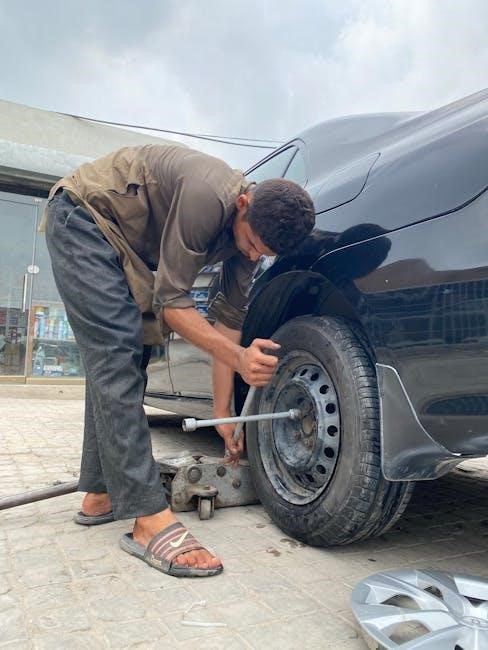
Manual tire changers offer simplicity and control, while hydraulic systems provide increased speed and power for handling exceptionally large or stubborn tires efficiently.
Advantages of Manual Operation
Manual tire changers boast several key benefits. They generally require lower initial investment costs compared to hydraulic models, and offer greater operator control during the tire servicing process.
Furthermore, manual systems often have fewer components, potentially leading to reduced maintenance needs and simpler troubleshooting procedures. This makes them ideal for smaller shops or mobile tire services.
Limitations of Manual Systems
Manual tire changers, while cost-effective, present certain limitations. They demand significant physical effort from the operator, potentially increasing fatigue and slowing down service times. Handling exceptionally large or stiff tires can be particularly challenging. Compared to hydraulic systems, manual changers generally offer less speed and power.

Safety Considerations When Using Tire Changers
Proper training and PPE are crucial when operating heavy-duty tire changers to prevent injuries. Always follow manufacturer guidelines and safety protocols diligently.
Proper Training and Certification
Comprehensive training is paramount for personnel operating heavy-duty tire changers. Understanding the equipment’s mechanics, safety features, and proper procedures minimizes risks. Certification programs validate competency, ensuring technicians can safely and efficiently handle large tires.
Prioritize hands-on experience alongside theoretical knowledge for optimal performance and accident prevention.
Personal Protective Equipment (PPE)
Essential PPE is crucial when using heavy-duty tire changers. Safety glasses protect against flying debris, while work gloves enhance grip and shield hands. Steel-toed boots prevent foot injuries from dropped tools or tires. Ear protection minimizes noise exposure, and appropriate clothing ensures safe operation.
Applications of Heavy Duty Tire Changers
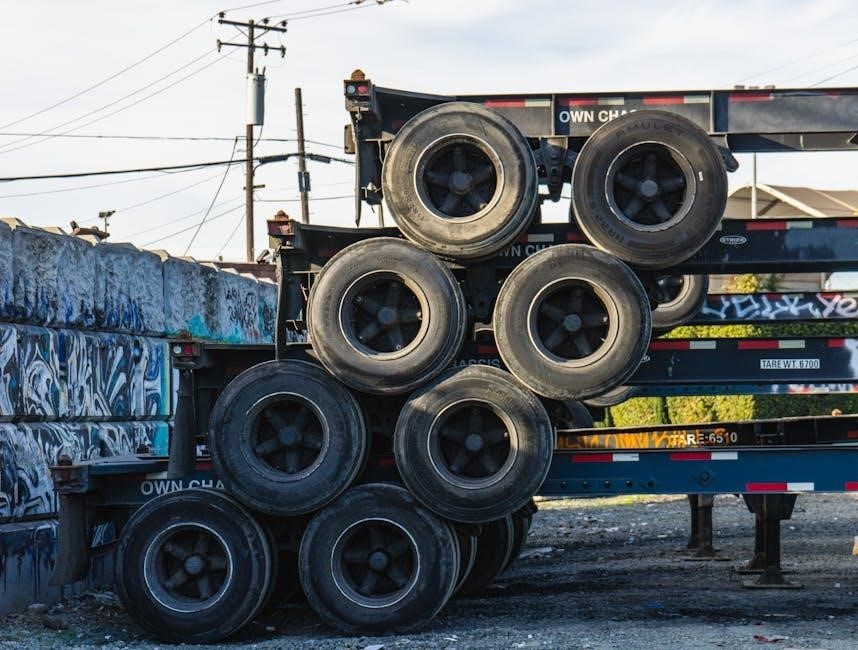
Heavy-duty tire changers serve truck, bus, agricultural, and off-the-road (OTR) tire service needs, providing efficient solutions for diverse commercial vehicle maintenance tasks.
Truck and Bus Tire Service
Heavy duty manual tire changers are indispensable for commercial fleets and repair shops handling truck and bus tires. These robust machines efficiently manage large tires, reducing downtime and labor costs. Chicago Pneumatic provides reliable tools specifically designed for these demanding applications, ensuring safe and effective tire servicing in busy garages and workshops.
Agricultural and Tractor Tire Service
Heavy duty manual tire changers are crucial for agricultural operations and tractor maintenance, handling large and specialized tires. Hunter Engineering’s TCX640HD model is specifically designed for tractors and other equipment, offering the necessary power and torque. These changers ensure efficient tire service, minimizing farm downtime.
Off-The-Road (OTR) Tire Maintenance
Heavy duty manual tire changers are indispensable for maintaining OTR tires found on construction, mining, and forestry equipment. ARI-HETRA specializes in updated tire changers with hydraulic and remote features, supporting fleet and military OTR maintenance. These robust machines handle exceptionally large tires efficiently and safely.
Maintenance and Troubleshooting
Regular inspection and lubrication of a manual tire changer are crucial for optimal performance. Addressing common issues promptly ensures continued safe and efficient operation.
Regular Inspection and Lubrication
Consistent maintenance extends the lifespan of your heavy-duty manual tire changer. Regularly inspect all components – clamping chuck, bead breaker, and mounting head – for wear or damage. Lubricate moving parts frequently with a high-quality grease to ensure smooth operation and prevent corrosion. Check hydraulic lines for leaks, and tighten any loose bolts.
Common Issues and Solutions
Sticking or slow-moving parts often result from inadequate lubrication; re-grease thoroughly. A failing clamping system may require component replacement. Difficulty breaking the bead could indicate worn breaker tips needing sharpening or replacement. Inspect hoses and fittings for leaks in hydraulic systems, and tighten connections or replace damaged parts promptly.

Future Trends in Heavy Duty Tire Changing Technology
Emerging trends include integrating remote control features for enhanced operation and developing more powerful, efficient hydraulic systems for faster tire servicing.
Integration of Remote Control Features
Remote control integration promises increased operator safety by distancing technicians from potentially hazardous operations during tire changes. This technology allows for precise control of functions like bead breaking and tire mounting from a safe distance. Furthermore, remote operation can streamline workflows, boosting efficiency and reducing physical strain on personnel, particularly with larger, heavier tires common in commercial applications.
Enhanced Hydraulic Systems
Advanced hydraulic systems are becoming integral to heavy-duty tire changers, delivering increased power and precision for demanding tasks. These systems offer faster cycle times and improved control over clamping, bead breaking, and mounting processes. Modern designs prioritize reliability and reduced maintenance, contributing to increased uptime and overall operational efficiency in busy service centers.