
canadian army cadet uniform guide
Canadian Army Cadet Uniform Guide ⎻ Overview
This guide details the Canadian Army Cadet uniform regulations as of today, May 12, 2025. It covers dress, field attire,
accessories, and maintenance, reflecting recent grooming standard revisions.
The Canadian Army Cadet Program is a national organization dedicated to developing leadership, citizenship, and physical fitness in youth aged 12 to 18. Rooted in a tradition of discipline and service, cadets participate in a variety of training activities, including drill, marksmanship, first aid, and outdoor survival skills. A crucial element of this program is the adherence to a strict uniform standard, symbolizing unity, pride, and respect for the organization’s values.
The uniform isn’t merely clothing; it represents a cadet’s commitment and belonging. Proper wear and maintenance demonstrate attention to detail and a willingness to uphold the program’s high standards. Understanding the components and regulations surrounding the uniform is fundamental for all cadets, ensuring a professional and cohesive appearance during training exercises, parades, and public events. Recent adjustments to grooming standards highlight the ongoing evolution of these regulations.
Importance of Uniform Standards
Maintaining impeccable uniform standards within the Canadian Army Cadet Program is paramount, fostering discipline, esprit de corps, and a sense of collective identity. A well-maintained uniform reflects a cadet’s personal pride and respect for the organization, projecting a professional image to the public. Consistent adherence to regulations ensures uniformity, eliminating distractions and reinforcing the values of order and precision.
Recent revisions to grooming standards, prompted by member feedback, underscore the importance of adapting regulations to maintain relevance while upholding core principles. The uniform serves as a visual representation of commitment to the program’s objectives – leadership, citizenship, and physical fitness. It’s a tangible symbol of belonging and shared responsibility. Proper wear demonstrates attention to detail, a crucial skill developed through cadet training, and prepares cadets for future roles demanding professionalism.
Uniform Components ⎻ General
Cadets utilize two primary uniforms: the Cadet Service Dress (CSD) for formal occasions and the Cadet Field Dress (CFD) for training exercises, each with specific requirements.
Cadet Service Dress (CSD) ⎯ Basic Overview
The Cadet Service Dress (CSD) represents the formal attire worn by Canadian Army Cadets. It’s designed for parades, ceremonies, and official events, projecting a smart and disciplined image. The CSD consists of several key components, including a jacket – either a tailored blazer style or a more traditional military cut – paired with matching trousers for male cadets and a skirt option for female cadets.
A crisp white shirt, worn with a specific tie or neckwear denoting cadet rank and affiliation, completes the upper body ensemble. Proper footwear, typically black dress shoes or boots, and dark socks are essential. The CSD is distinguished by the addition of various insignia and badges, carefully placed to indicate achievements, qualifications, and unit affiliation. Maintaining a polished and well-fitted CSD is crucial, reflecting pride and adherence to Canadian Army Cadet standards.

Cadet Field Dress (CFD) ⎯ Basic Overview
The Cadet Field Dress (CFD) is the practical uniform worn during training exercises, fieldcraft activities, and outdoor events. Designed for durability and functionality, the CFD prioritizes comfort and freedom of movement. Core components include robust combat boots, providing ankle support and traction, paired with moisture-wicking socks. Olive drab trousers or pants, constructed from a durable fabric, form the base of the uniform.
An olive drab shirt, often with reinforced elbows, completes the upper body. A webbing belt and associated pouches are utilized to carry essential equipment. Headwear options include a field cap or beret, offering protection from the elements. The CFD emphasizes practicality and readiness for various training scenarios, differing significantly in appearance and purpose from the more formal CSD. Proper fit and maintenance are vital for optimal performance during cadet activities.
Detailed Breakdown of Cadet Service Dress
The Cadet Service Dress (CSD) represents the formal attire of Canadian Army Cadets. This section provides a comprehensive examination of each CSD component, from jacket to insignia.
CSD ⎻ Jacket & Trousers/Skirt
The CSD jacket is a dark olive green, single-breasted garment, featuring a notched lapel and two front pockets with button closures. It’s designed for a smart, professional appearance and must be properly fitted – not too tight, nor excessively loose.
Cadets have the option of wearing either trousers or a skirt with the CSD. Trousers are also dark olive green, of a straight-leg cut, and are to be worn with a modest break at the shoe. Skirts, when authorized, are of a similar colour and appropriate length, typically reaching just above the knee.
All jackets must be kept clean and pressed, presenting a neat and well-maintained image. Buttons should be securely fastened, and any repairs made promptly. The overall aim is to reflect pride and discipline within the Cadet program. Attention to detail in the fit and condition of these items is paramount.
CSD ⎯ Shirt & Tie/Neckwear
The CSD shirt is a light khaki colour, long-sleeved, and made of a durable, breathable material. It’s designed to be worn with the top button fastened and sleeves rolled down, maintaining a professional and tidy appearance. Proper fit is crucial; the shirt should not be too tight or restrictive.
Cadets are required to wear a tie or appropriate neckwear with the CSD. Male cadets typically wear a black tie, while female cadets may opt for a black neck tab or a modest scarf. The tie must be tied correctly, reaching the top of the belt buckle, and be free of any patterns or embellishments.
The shirt must be ironed and free of stains or wrinkles. Neckwear should complement the overall uniform and be worn with respect, representing the standards of the Canadian Army Cadet program. Maintaining a polished look is essential.
CSD ⎻ Headwear (Beresina Cap & Optional Items)
The standard headwear for the CSD is the Beresina cap, a dark green peaked cap with a black chinstrap. It must be worn squarely on the head, with the peak positioned one inch above the eyebrows. Proper adjustment ensures a neat and professional appearance, reflecting discipline and pride. The cap badge, displaying the Cadet emblem, is centrally positioned.
During inclement weather, optional items like a dark-coloured toque or winter hat may be authorized. These must be plain and without any visible logos or markings, maintaining the uniform’s overall aesthetic.
Maintaining the Beresina cap is vital; it should be clean, pressed, and free of damage. The chinstrap must be securely fastened when outdoors. Headwear demonstrates respect for the uniform and the Canadian Army Cadet program’s traditions.
CSD ⎯ Footwear & Socks
Footwear for the Cadet Service Dress consists of black leather shoes, polished to a high shine. Shoes must be laced securely and maintained in excellent condition, reflecting attention to detail and discipline. The style should be a plain, low-quarter shoe, suitable for formal wear and parade duties. Scuffs and damage are unacceptable.
Socks worn with the CSD must be black, plain, and made of a suitable material like cotton or wool blends. They should be of sufficient length to cover the ankle and prevent visible skin when seated or marching. Patterned or coloured socks are strictly prohibited.
Proper footwear and sock presentation are crucial components of the CSD. They contribute significantly to the overall smartness and professionalism of the uniform, embodying the values of the Cadet program.
CSD ⎯ Belt & Buckle
The belt worn with the Cadet Service Dress is a black leather belt, one and a quarter inches in width. It must be plain, without excessive ornamentation or embellishments, and in excellent condition – free from cracks, fraying, or damage. The buckle is a crucial element, being a standard pattern, silver-coloured, and displaying the Cadet emblem.
The buckle must be securely fastened and polished to a bright shine. Proper alignment of the belt and buckle is essential for a neat and professional appearance. The belt should be adjusted to ensure a comfortable fit, allowing for ease of movement during drill and ceremonial activities.
A correctly worn belt and buckle demonstrate attention to detail and adherence to uniform standards. It’s a subtle but important aspect of the overall CSD presentation, reflecting pride and discipline.
CSD ⎻ Insignia & Badges (Placement & Meaning)
Cadet Service Dress features specific insignia denoting affiliation and achievement. The Cadet Canada proficiency star badge is worn on the left sleeve, indicating levels of training completed. Placement is precise, with each star representing a specific standard attained.
Rank insignia, if applicable, is displayed on the epaulettes. These vary based on the cadet’s appointed position, clearly identifying leadership roles within the corps. Unit markings, such as the corps number and designation, are affixed to the right sleeve, showcasing organizational affiliation.
Proper badge placement and maintenance are vital. Insignia must be clean, securely attached, and aligned according to regulations. These symbols represent dedication, skill, and commitment to the Canadian Army Cadet program, fostering a sense of pride and belonging.
Detailed Breakdown of Cadet Field Dress
Cadet Field Dress (CFD) prioritizes practicality and durability for training exercises. This section details components like combat boots, olive drab shirts, webbing, and field caps.
CFD ⎯ Combat Boots & Socks
Combat boots are a cornerstone of the Cadet Field Dress, providing essential ankle support and protection during rigorous training activities. Cadets are typically issued standard-issue black combat boots, ensuring uniformity and durability. Proper fit is paramount; boots should be broken in before extended field exercises to prevent blisters and discomfort.
Socks are equally crucial, acting as a buffer between the foot and the boot. Cadets are required to wear moisture-wicking socks, often made of synthetic materials or merino wool blends, to minimize sweat and maintain foot hygiene. Multiple pairs are recommended for extended exercises, allowing for changes to keep feet dry and prevent fungal infections. The use of athletic socks or cotton socks is generally discouraged due to their tendency to retain moisture.
Regular inspection and maintenance of both boots and socks are vital. Boots should be cleaned and conditioned regularly, while socks should be washed after each use. Ensuring both are in good condition contributes significantly to cadet comfort and operational readiness.
CFD ⎻ Trousers/Pants
The standard trousers for the Cadet Field Dress (CFD) are designed for durability and practicality in outdoor environments. Typically, these are constructed from a robust, ripstop fabric in olive drab, offering resistance to tears and abrasions. The cut is generally a relaxed fit, allowing for freedom of movement during training exercises and field activities.
Proper fit is essential; trousers should be long enough to cover the ankles when wearing combat boots, but not so long as to create a tripping hazard. Adjustable waistbands or blousing straps may be utilized to ensure a secure and comfortable fit for all cadets. Pockets are strategically placed for carrying essential field equipment, such as a first-aid kit or a small notebook.
Maintaining the trousers involves regular washing and inspection for damage. Tears should be repaired promptly to maintain the uniform’s appearance and functionality. Cadets are responsible for keeping their trousers clean and presentable at all times.
CFD ⎻ Shirt (Olive Drab)
The olive drab shirt is a cornerstone of the Cadet Field Dress (CFD), providing a functional and durable base layer for outdoor activities. Constructed from a breathable, moisture-wicking fabric, it’s designed to keep cadets comfortable during physical exertion. The shirt typically features a button-down front, allowing for ventilation adjustment;
Sleeve length is often adjustable, with roll-up tabs for warmer weather. Pocket placement is standardized for carrying small essential items, like a pen or compass. The shirt’s color is specifically chosen to blend with natural environments, enhancing camouflage during field exercises.
Maintaining the shirt involves regular washing to remove dirt and sweat. Cadets are expected to keep their shirts neatly tucked in at all times when in uniform. Proper care, including avoiding harsh detergents, will prolong the shirt’s lifespan and maintain its professional appearance.
CFD ⎯ Webbing (Belt & Pouches)
The webbing system, consisting of a belt and various pouches, is crucial for carrying essential equipment during field exercises within the Cadet Field Dress (CFD). The belt itself is typically constructed from durable nylon webbing, adjustable to fit each cadet securely. It serves as the foundation for attaching multiple pouches.
Standard pouches include those for carrying a first aid kit, a water bottle, and a field dressing. Additional pouches may be added depending on the specific training exercise. Proper pouch placement is vital for balanced weight distribution and ease of access to equipment.
Cadets are responsible for ensuring their webbing is correctly fitted and all pouches are securely fastened. Regular inspection and maintenance, including cleaning and checking for wear and tear, are essential for operational readiness. The webbing system enhances a cadet’s self-sufficiency in the field.

CFD ⎻ Headwear (Field Cap/Beret)
Headwear within the Cadet Field Dress (CFD) consists primarily of either a field cap or a beret, depending on the specific activity and unit designation. The field cap, often olive drab in colour, provides practical sun and light weather protection, featuring a small brim for visibility. It’s designed for functionality during training exercises.
The beret, traditionally worn with certain cadet units, signifies affiliation and is worn in a specific manner. Proper beret positioning and badge placement are critical elements of uniform standards. Cadets must learn the correct method for donning and maintaining their beret.
Regardless of the chosen headwear, it must be worn neatly and securely. Maintaining a clean and presentable appearance is paramount. Headwear protects cadets from the elements and contributes to the overall disciplined look of the CFD.
Uniform Accessories & Optional Items
Optional accessories include gloves for cold weather and various winter headwear options. Rank insignia clearly identifies leadership positions within the Cadet program, enhancing visibility.
Gloves & Winter Headwear
During colder months, cadets may utilize gloves and winter headwear to maintain comfort and operational readiness. Gloves must be plain black or navy blue, constructed from wool or a suitable synthetic material, ensuring dexterity for tasks.
Authorized winter headwear includes toques (beanies) in black, navy blue, or dark grey. These should fit snugly and not obstruct vision. Scarves are permitted, also in approved colours, and must not pose a safety hazard during activities.
Cadets are responsible for ensuring their winter accessories are clean and in good repair. Brightly coloured or patterned gloves and headwear are generally not permitted, maintaining a professional and uniform appearance. Specific unit guidelines may provide further clarification on acceptable styles and materials.
Cadet Rank Insignia ⎻ Identifying Leadership
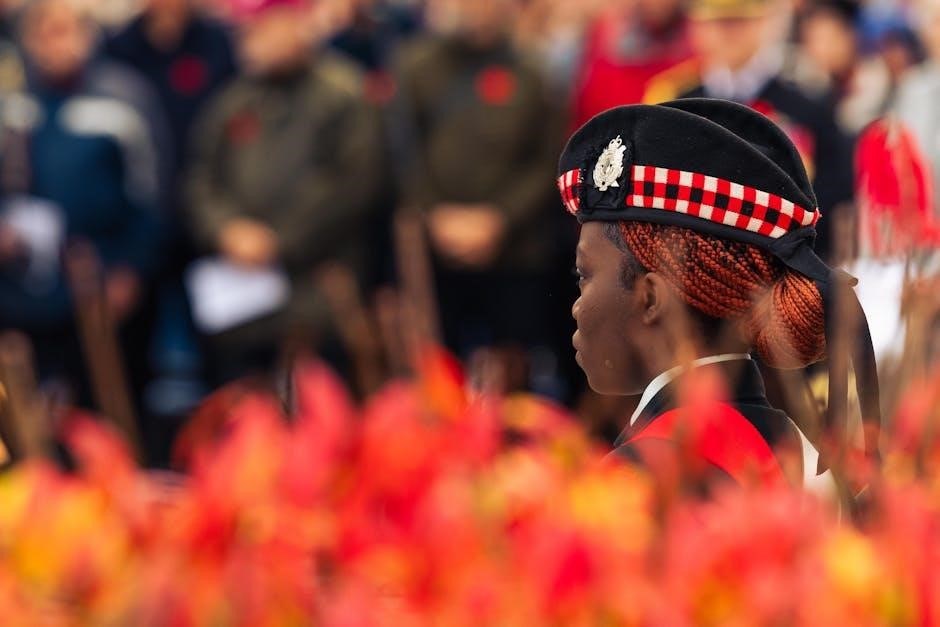
Cadet rank insignia clearly identifies leadership positions within the Canadian Army Cadet program. Insignia is worn on the sleeve of the Cadet Service Dress (CSD), and placement varies according to rank. Chevrons, consisting of angled stripes, denote non-commissioned officer (NCO) ranks, with increasing numbers of chevrons signifying higher authority.
Warrant Officers wear a specific pattern of chevrons and a crown emblem. Cadet officers display rank insignia based on a pip system, utilizing gold or silver pips affixed to their shoulder boards. Proper placement and adherence to insignia regulations are crucial for maintaining order and recognizing the chain of command.
Cadets are responsible for ensuring their rank insignia is clean, properly affixed, and reflects their current appointment. Incorrectly worn insignia is a breach of uniform standards and may result in corrective action.
Uniform Maintenance & Care
Maintaining a sharp appearance is vital. Proper cleaning procedures and careful storage are essential for preserving the longevity and professional look of all uniform components.
Proper Cleaning Procedures
Maintaining the Canadian Army Cadet uniform requires diligent cleaning to ensure a professional appearance and prolong its lifespan. Always check garment labels for specific instructions, as materials vary. Generally, Cadet Service Dress (CSD) jackets and trousers should be dry cleaned to preserve their shape and finish. Frequent dry cleaning, however, can be costly; spot cleaning minor stains is recommended when possible.
Cadet Field Dress (CFD) items, being more durable, can typically be machine washed on a gentle cycle with cold water. Avoid using harsh detergents or bleach, as these can damage the fabric and fade colours. Olive drab shirts and trousers should be washed inside out to minimize fading.
Crucially, all insignia and badges should be removed before washing or dry cleaning to prevent damage. Allow uniforms to air dry whenever possible; avoid high heat from dryers, which can cause shrinkage and damage. Ironing should be done at a low setting, and always check the garment label for ironing instructions.
Storage & Preservation
Proper storage is vital for preserving the condition of your Canadian Army Cadet uniform between wearings and over extended periods. Clean uniforms thoroughly before storing them, as dirt and perspiration can attract moths and cause fabric degradation. CSD items should ideally be stored on hangers in a garment bag to protect them from dust and maintain their shape; Ensure sufficient space within the closet to prevent excessive wrinkling.
CFD uniforms can be folded neatly and stored in a breathable container, avoiding plastic bags which can trap moisture and promote mildew. For long-term storage, consider using mothballs or cedar chips to deter insect damage.
Regularly inspect stored uniforms for signs of damage or pests. Re-hanging or re-folding periodically can prevent permanent creases. Store footwear separately in a well-ventilated area, using shoe trees to maintain their shape. Careful storage significantly extends the life of your uniform investment.
Regulations & Updates (as of 12/05/2025)
Recent revisions to grooming standards within the Canadian Army Cadet program have been implemented, addressing member feedback regarding previously relaxed regulations and expectations.
Recent Changes to Grooming Standards
Following feedback from cadets and staff, the Canadian military, including the Army Cadet program, has revisited and updated its grooming standards. The previous period of more relaxed regulations, introduced nearly two years ago, prompted concerns from some members who felt the standards lacked the necessary formality and professionalism.
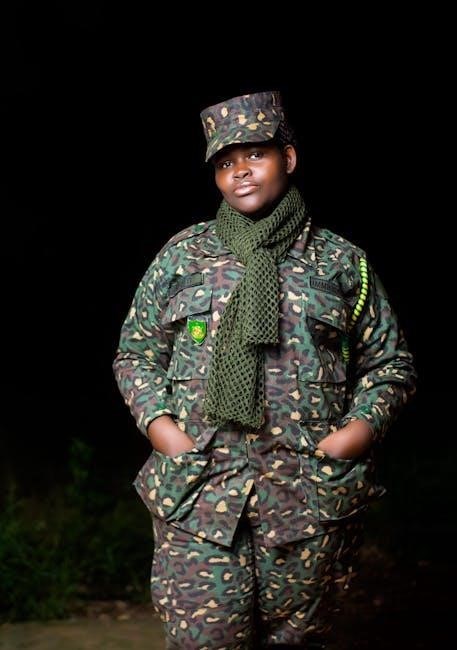
These revisions aim to strike a balance between maintaining a presentable and disciplined appearance while acknowledging modern expectations. Specific changes encompass hair length and style regulations, beard and mustache guidelines, and stipulations regarding visible tattoos and piercings. The intent is to ensure all cadets present a smart, uniform appearance reflective of the program’s values. Detailed information regarding these updated standards is now available through official channels.
Where to Find Official Uniform Regulations
Accessing the most current and comprehensive information regarding Canadian Army Cadet uniform regulations is crucial for all cadets and staff. The primary source for official guidelines is the Cadet Administrative and Policy Manual (CAPM), specifically the sections pertaining to dress and deportment. This document is regularly updated to reflect any changes or amendments.
CadetNet, the official online platform for the Cadet Program, provides a centralized repository for these regulations, alongside supplementary resources like instructional videos and frequently asked questions. Provincial and territorial Cadet League websites also often host links to relevant documents. It’s important to consult these official sources rather than relying on outdated or unofficial information. Always verify the date of the document to ensure it reflects the latest standards, as of May 12, 2025.